(2 min read)
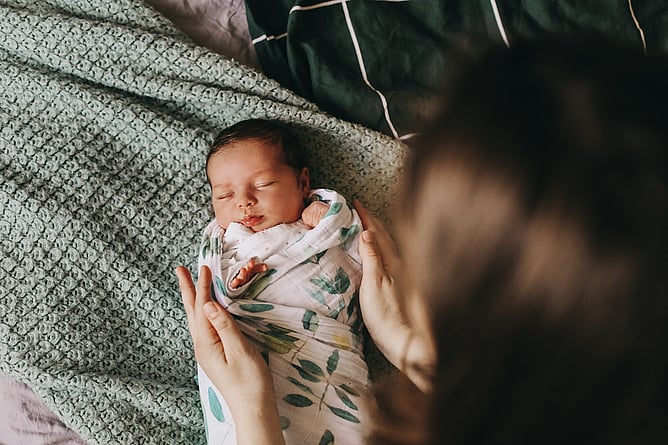
Caring for a newborn can feel overwhelming, and it’s completely normal to be unsure how to soothe your baby. Swaddling can be a real lifesaver—it helps your little one feel safe and secure, and it gives you a few precious minutes to catch your breath during those first, often exhausting weeks. Many parents rely on it, and there’s nothing wrong with that.
At the same time, babies have their own natural ways of moving and reacting to the world around them. Quick stretches, tiny wriggles, or sudden movements when they hear a sound or feel a touch aren’t random. These are instinctive survival responses that help your baby protect themselves, build strength, and develop coordination. They also play an important role in body awareness and overall development, laying the foundation for balance, posture, and confidence in movement.
Because of this, it’s best not to swaddle for long stretches at a time. Short, supervised periods of floor time—like tummy time, side-lying play, or simply letting your baby kick and stretch—give them the chance to explore their body and practise these natural movements safely. Watching your little one discover what their body can do is not only fascinating but also essential for their growth.
By combining gentle swaddling with these moments of freedom, parents can help their babies grow strong, confident, and connected to their own bodies. Those quiet, calm moments you get while swaddling are precious, but so are the tiny victories when your baby wiggles, stretches, or reacts to their surroundings. Finding this balance supports healthy development while giving both you and your baby small pockets of rest, reassurance, and joy in the busy early months.